



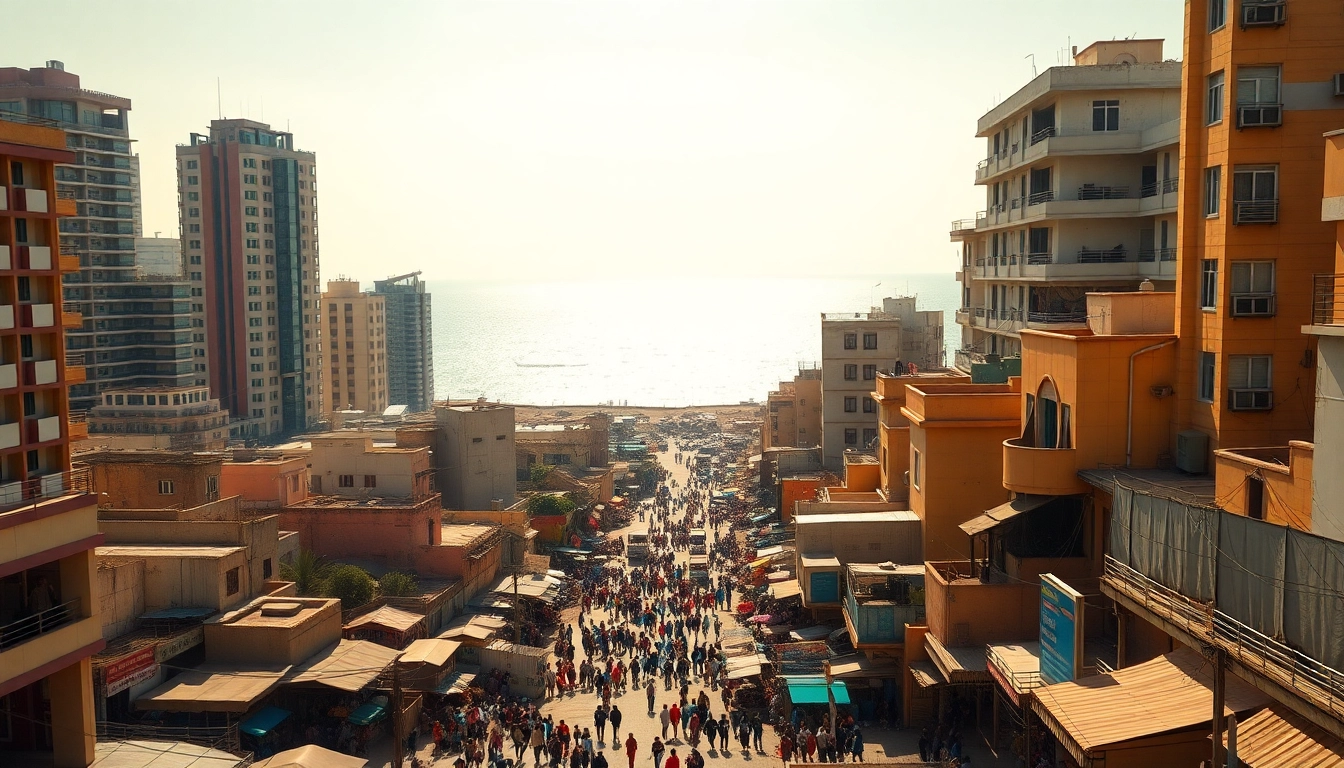
Overview
Mogadishu Km Square is a significant term when discussing the city of Mogadishu, the capital of Somalia. The term “mogadishu km square” often refers to the physical area and extent of the city, which spans many kilometers squared, shaping the urban and demographic landscape. Understanding mogadishu km square helps contextualize the city’s population density, urban development, and the multifaceted challenges it faces. The mogadishu km square area is a hub for economic activities, cultural exchanges, and political events, making it a focal point for Somalia’s growth and struggles. This article explores the population dynamics, development strides, and ongoing challenges within the mogadishu km square region to provide a detailed picture of the city’s current state and future potential.
Population of Mogadishu Km Square
The population within the mogadishu km square region has seen significant fluctuations over recent decades. This area is home to millions of residents, making it one of the most densely populated parts of Somalia. Rapid urbanization has contributed to a rising population in mogadishu km square, attracting people from rural areas in search of better economic opportunities and safety. The influx of internally displaced persons (IDPs) has also increased the population density within the mogadishu km square boundaries, further straining local infrastructure.
Population growth within mogadishu km square is marked by a youthful demographic, with a large percentage of residents under the age of 30. This youthful population presents both opportunities and challenges. On one hand, it offers a dynamic labor force that can drive economic development; on the other, it increases demands on education, healthcare, and housing systems within the mogadishu km square area. The distribution of the population in mogadishu km square is uneven, with some districts experiencing overcrowding while others are underdeveloped.
Development within Mogadishu Km Square
The development of mogadishu km square has been pivotal in the city’s resurgence over recent years. After decades of conflict and instability, reconstruction efforts have focused on rebuilding the infrastructure across the mogadishu km square area. Key developments include road improvements, construction of new residential and commercial buildings, and the restoration of public services like water supply and electricity.
Economic development in the mogadishu km square area is largely driven by small and medium enterprises, trade, and emerging industries such as telecommunications. Investments in the mogadishu km square region aim to transform it into a vibrant urban center, attracting foreign direct investment and promoting entrepreneurship. Additionally, international aid and government initiatives have targeted the mogadishu km square for development projects, including education reforms and healthcare system upgrades.
Despite these advancements, development in mogadishu km square remains uneven. Certain neighborhoods benefit from more concentrated investment, while others lag behind due to security concerns and logistical challenges. Urban planning within mogadishu km square is complicated by informal settlements and limited government control in some areas, making comprehensive development difficult.
Challenges Facing Mogadishu Km Square
The mogadishu km square area faces numerous challenges that hinder sustainable development and quality of life for its inhabitants. Security is a primary concern within mogadishu km square, as sporadic violence and threats from militant groups disrupt daily life and economic activities. This insecurity affects both residents and investors, limiting the potential growth of the mogadishu km square region.
Infrastructure deficits are another significant challenge within mogadishu km square. Many parts of the city lack reliable access to clean water, electricity, and sanitation services. The rapid population growth within mogadishu km square exacerbates these issues, overwhelming existing systems and creating public health risks. Roads and transportation networks within mogadishu km square are often congested and poorly maintained, restricting mobility and economic efficiency.
Social challenges also impact the mogadishu km square population. Poverty remains widespread, with many residents living below the poverty line. The education system within mogadishu km square struggles to accommodate the growing number of children, resulting in low literacy rates and limited access to quality education. Healthcare facilities are similarly strained, with inadequate resources and personnel to meet the needs of the mogadishu km square population.
Environmental degradation is another issue facing mogadishu km square. Unplanned urban expansion has led to deforestation, waste accumulation, and pollution within the area. These environmental problems further threaten the health and well-being of those living in mogadishu km square, calling for more sustainable urban planning and environmental management.
The Future of Mogadishu Km Square
Looking ahead, the future of mogadishu km square depends on addressing its pressing challenges while capitalizing on its developmental potential. Strengthening security within the mogadishu km square area is critical to ensuring a safe environment for residents and businesses. Continued investments in infrastructure, especially in transportation, water, and energy sectors, are necessary to improve living conditions and support economic growth.
Urban planning and governance reforms within mogadishu km square can help manage rapid population growth and informal settlements. Engaging local communities in development projects will promote inclusivity and resilience. Education and healthcare systems within mogadishu km square need substantial enhancements to serve the growing population better and improve overall human capital.
Sustainable environmental practices must be integrated into development strategies for mogadishu km square to preserve natural resources and promote a healthier urban environment. Encouraging green spaces, waste management programs, and pollution control measures will contribute positively to the quality of life in mogadishu km square.
In conclusion, mogadishu km square represents the heart of Somalia’s capital, embodying its complex population dynamics, development strides, and persistent challenges. By focusing on holistic development and inclusive policies, mogadishu km square can transform into a thriving urban center that meets the needs of its residents and contributes significantly to the nation’s progress.