
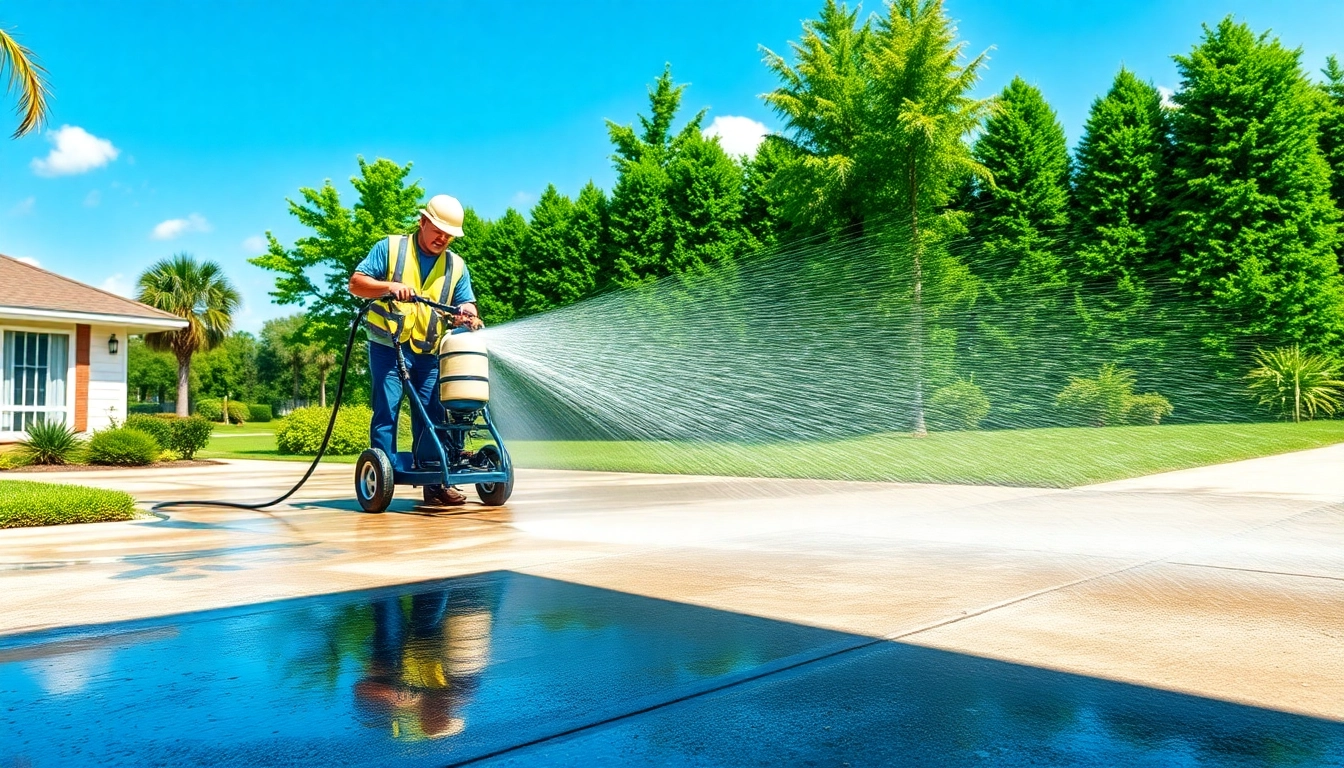
Driveway Pressure Wash: Expert Techniques for Spotless Results in 2025
Understanding Driveway Pressure Wash Techniques
Driveways are often the first impression visitors have of your property, and maintaining their appearance is essential for curb appeal and overall property value. A thorough driveway pressure wash can effectively remove dirt, grime, oil stains, and other unsightly blemishes that accumulate over time. In this article, we’ll delve into the ins and outs of driveway pressure washing, including the techniques that professionals use, the benefits of hiring experts, and how to prepare and maintain your driveway post-cleaning. When exploring options, Driveway pressure wash services offer comprehensive insights tailored to your needs.
What is Driveway Pressure Washing?
Driveway pressure washing is the process of using a high-pressure water spray to clean surfaces, specifically concrete, brick, or asphalt driveways. This method is highly effective for removing tough stains, dirt, mold, and mildew that can accumulate over time. By employing specialized equipment that can produce varying levels of pressure, professionals can adapt their technique to suit the specific surface of your driveway without causing damage.
Benefits of Professional Driveway Cleaning
- Enhanced Curb Appeal: A clean driveway signifies a well-maintained property, making it more attractive to potential buyers or visitors.
- Increased Longevity: Regular pressure washing can extend the lifespan of your driveway by preventing the buildup of harmful substances that can lead to deterioration.
- Health Benefits: Removing mold, algae, and mildew reduces health risks associated with allergens and respiratory issues.
- Time and Cost Efficiency: Professional services save you time and reduce the need for costly repairs in the long run.
Choosing the Right Equipment for Pressure Washing
While you can rent or purchase pressure washing equipment, professionals utilize advanced machinery that can achieve optimal results more efficiently. Key components include:
- Pressure Washer: The heart of the operation, capable of producing 2000 to 4000 PSI depending on the cleaning needs.
- Surface Cleaners: These attachments evenly distribute the pressure across a specific area for consistent results.
- Detergents: Appropriate cleaning agents help break down stubborn stains and provide a deeper clean.
Preparing Your Driveway for Pressure Washing
Preparation is crucial for achieving the best results from your driveway pressure washing. Properly assessing and preparing the area can prevent potential damage and improve cleaning efficiency.
Assessing Your Driveway Surface Type
Different surfaces require different pressure settings and cleaning techniques. For instance:
- Concrete: Highly durable, concrete is typically able to withstand high-pressure washing.
- Asphalt: Softer than concrete, asphalt requires lower pressure to avoid damage.
- Brick or Pavers: These surfaces need careful handling to prevent dislodging.
Necessary Pre-Cleaning Steps
Prior to washing, it’s important to prepare the area by removing any obstacles like vehicles, planters, or furniture. This not only facilitates a more thorough cleaning but also ensures the safety of your belongings.
Safety Precautions to Consider
Pressure washers are powerful tools that can cause injury or damage if misused. Always wear safety glasses and non-slip shoes, and avoid directing the high-pressure spray towards pets, plants, or electrical outlets.
Effective Driveway Pressure Washing Strategies
Understanding the strategies employed by professionals can help you appreciate the value of their expertise. Here, we cover some of the most effective techniques for driveway pressure washing.
Using the Right Pressure Settings
The pressure setting on your washer should be adjusted based on the surface type. Concrete surfaces typically require higher pressure, while softer materials like asphalt necessitate lower settings to avoid damage.
Choosing and Using Detergents
Detergents are key to a successful wash, especially for oil and grease stains. Always select products that are safe for your driveway material and environmentally friendly, ensuring that harmful chemicals do not leach into the groundwater.
Common Mistakes to Avoid During Cleaning
- Starting Too Close: Begin from a distance of approximately 12 inches to avoid engraving the surface.
- Rushing the Process: Take your time to allow detergents to work effectively before rinsing.
- Ignoring Safety: Never underestimate the power of the machine; always prioritize personal safety.
Post-Cleaning Care for Your Driveway
Once your driveway is cleaned, taking care of it will ensure it remains in pristine condition for longer. Implementing post-cleaning maintenance is crucial.
Sealing Your Driveway After Washing
Applying a sealant after pressure washing can greatly enhance the durability of your driveway. Sealants provide a protective barrier against water, oil, and UV damage, prolonging the life of your surface.
Maintaining Driveway Cleanliness
Regularly inspecting and maintaining your driveway can prevent the buildup of dirt and stains. A simple routine of sweeping and spot-cleaning high-traffic areas can make a significant difference.
Signs Your Driveway Needs Another Wash
- Visible Stains: Oil, grease, or dirt marks indicate that cleaning is needed.
- Algae or Mold Growth: If you notice green or black patches, it’s time for another wash.
- Slippery Surface: A slippery driveway may signal mold or algae presence, posing a safety hazard.
Future Trends in Pressure Washing Services
The pressure washing industry is evolving, and several trends are set to shape its future. Staying ahead of these trends can help homeowners and businesses alike maintain their properties more effectively.
Eco-Friendly Pressure Washing Solutions
As environmental concerns grow, eco-friendly cleaning solutions are becoming increasingly popular. Biodegradable detergents and water reclamation systems help minimize the environmental impact of pressure washing.
Technological Innovations in Cleaning Equipment
Advancements in technology are leading to more efficient pressure washing equipment. Innovations such as automated cleaning systems and enhanced water-saving technologies are transforming how services are offered.
The Growing Demand for Professional Services in 2025
As awareness of the benefits of professional driveway pressure washing increases, so does the demand for these services. Homeowners are turning to experts for their knowledge, efficiency, and ability to extend the lifespan of their driveways.